WORKSHOP 57 15-30/08/2026 ÖMER SELÇUK BAZ , OĞUL CAN ÖZTUNÇ , , GÜLŞAH ANDİÇ
WAYS OF SITTING
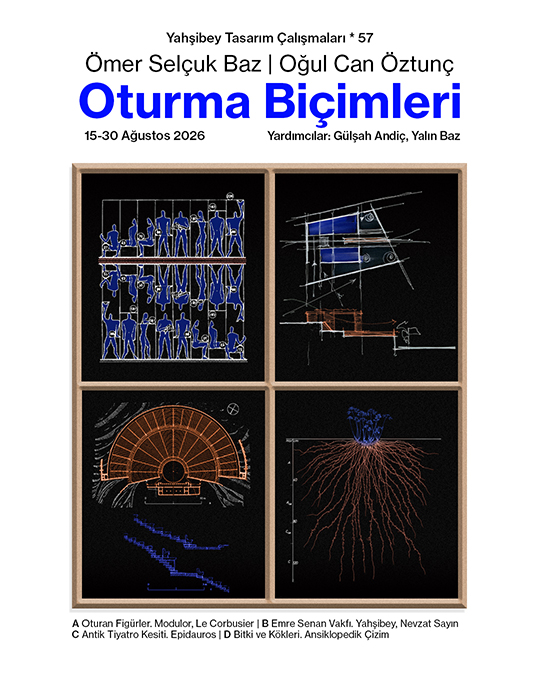
Yahşibey Design Workshops *57
Project Leaders Ömer Selçuk Baz, Oğul Can Öztunç
Project Assistant Gülşah Andiç
Video & Photo Documentation Yalın Baz
Ways of Sitting
understanding / drawing / speaking / discovering / designing / making
Everything on earth that resists time eventually settles into its place. When considered as a form of relationship with the ground, modes of sitting become one of the fundamental concerns of architecture. Even cultures and traditions move, balance, and settle within the social networks of their geographies. Walls rest on the ground, columns rise from it, trees take root, amphitheaters spread across it. Although humans and animals are in constant motion, what they produce ultimately attaches, anchors, and settles where they are. The act of sitting, when we consider the earth as an infinite ground, points to the design of contact-of touching it, consciously or unconsciously.
As the 57th Yahşibey workshop, Modes of Sitting will be led by Ömer Selçuk Baz and Oğul Can Öztunç, with the support of Gülşah Andiç and Yalın Baz throughout the process. The primary aim of the workshop is to understand the village and its immediate surroundings, to look at it through a perspective specific to us, and to develop a layered comprehension. These layers include not only the physical environment of the village, but also nearby settlements, ancient cities, fragments of nature, living beings, as well as social and cultural habits related to making and building.
We approach the phase of understanding as a collective process of knowledge production that continues throughout the workshop. By observing the “modes of sitting” we encounter within the framework we draw, we aim to represent them through various tools; to understand spatial qualities through representation; and to transform these insights into a non-normative architectural knowledge. As architects whose practice is grounded in making, we give priority to learning in situ-through drawing and building.
The second and ultimate aim of the workshop is to develop small-scale proposals within or around the village that address everyday life, including those “modes of sitting” that can be improved. Our intention is to revisit these seemingly modest aspects of daily life from within, to generate design-based solutions, and -if possible- to build them collectively on site and use them together with the residents. We consider designing, building, and using as intertwined methods of learning; in this sense, designing through making becomes a way of translating what is learned from the ground back into the ground.
In Ways of Seeing, John Berger reveals, in striking ways, the difference between what we look at and what we are able to see. With Modes of Sitting, we imagine revisiting -again and again- the endless set of relationships that architecture and spatial production have established with the ground over thousands of years, looking at them from new perspectives, and thinking through making precisely on this basis.
For application prepare your CV, motivation letter, portfolio including at least 10 works and fill the form at the link:
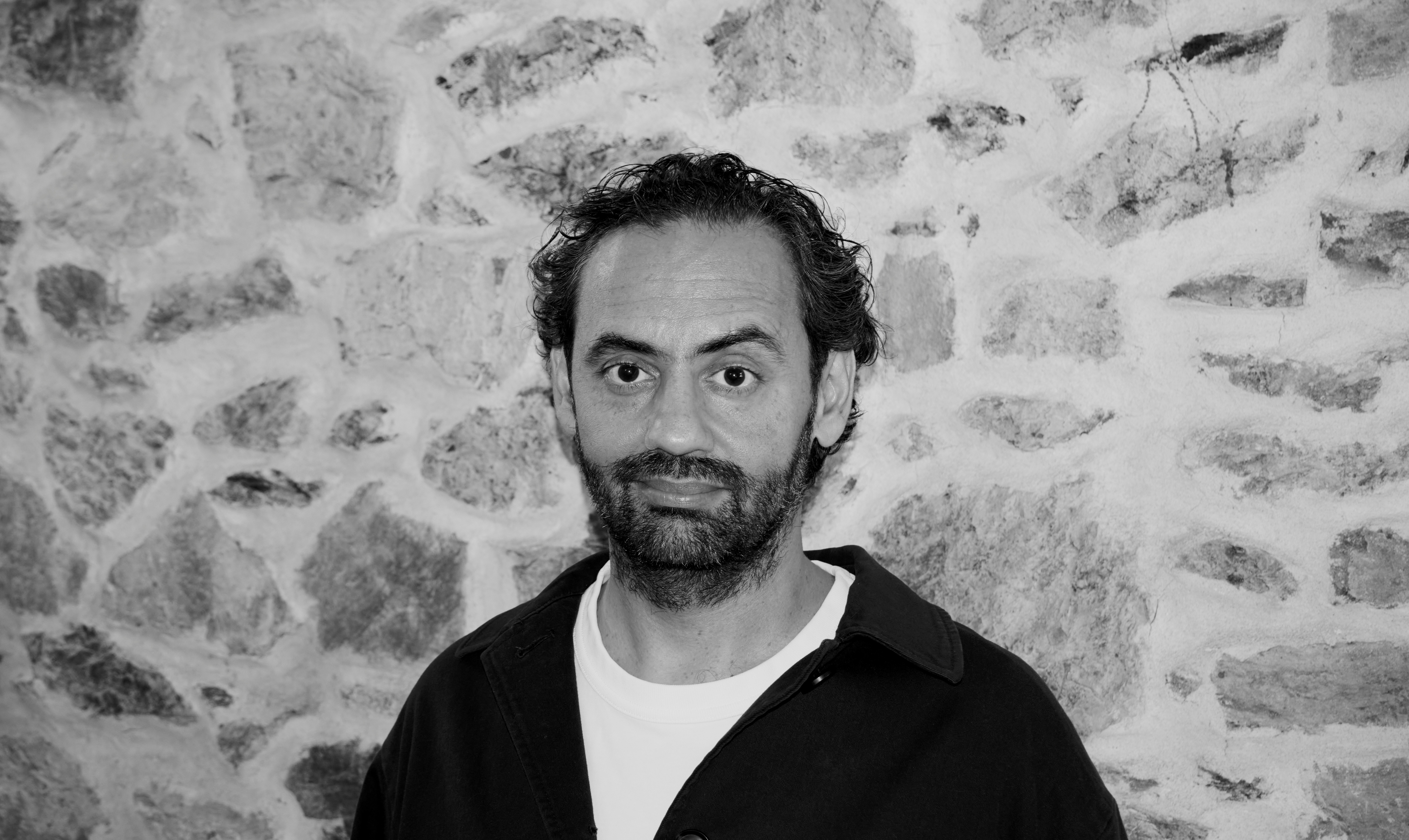
Ömer Selçuk Baz
Born in Nuremberg, Germany in 1978, he completed his primary, secondary, and high school education in Antakya. After graduating from Uludağ University in 2002, he pursued a master's degree at Vienna Technical University. During his student years, he won awards in various national and international competitions; in the same period, he worked for 4 years at Atelier Stelzhammer in Vienna. In 2005, he won the competition for the Bursa Branch of the Central Bank of the Republic of Turkey, thus beginning his active architectural practice in Turkey. He conducted master's studios at Istanbul Culture and Bilgi University and served as a jury member in national competitions. His notable projects include the Troy Museum, Riyadh Mosque, Cappadocia Museum, Zonguldak Caves, and the Korean War Memorial Site. He is the recipient of four National Architecture Awards, the Europe 40 Under 40 Award, and the 2022 International Sustainable Architecture Award. He has been working at Yalın Mimarlık, which he founded with Okan Bal, since 2011.
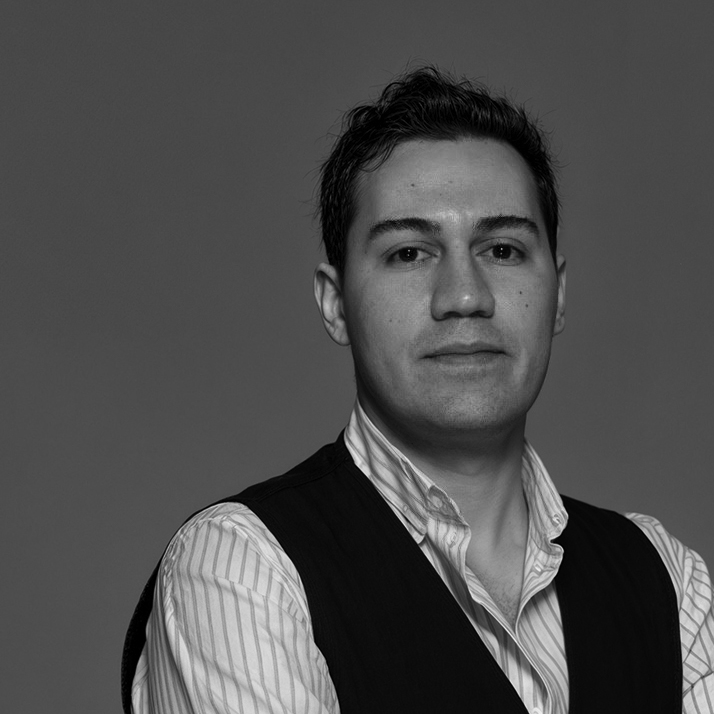
Oğul Can Öztunç
He was born in Istanbul in 1991. In 2014, he graduated from the Architecture Department of Istanbul Technical University as valedictorian, and was awarded first prize in the Archiprix Turkey Graduation Projects competition in the same year. He completed his master’s degree at Istanbul Technical University in 2024 with his thesis titled Encyclopedia of Spatial Pleasures: A Toolkit for Architectural Knowledge in the Information Age.
Following his graduation, he worked as a research assistant at Istanbul Bilgi University, contributing to architectural design studios and drawing courses. During and after his studies, he received several national and international awards, participated in exhibitions, and presented his work at various conferences.
In 2017, he co-founded Piknik Works with Atıl Aggündüz as a multi-directional architectural practice based in Istanbul and Vienna. Operating at the intersection of architecture, art, and graphic design, the studio engages with different disciplines and mediums to produce carefully considered work.
Alongside his professional practice, he has conducted workshops and developed research focusing on alternative modes of architectural knowledge production; several of these works have been published and exhibited. He approaches architecture not only as the production of space, but as a performative, research-driven field of knowledge production.
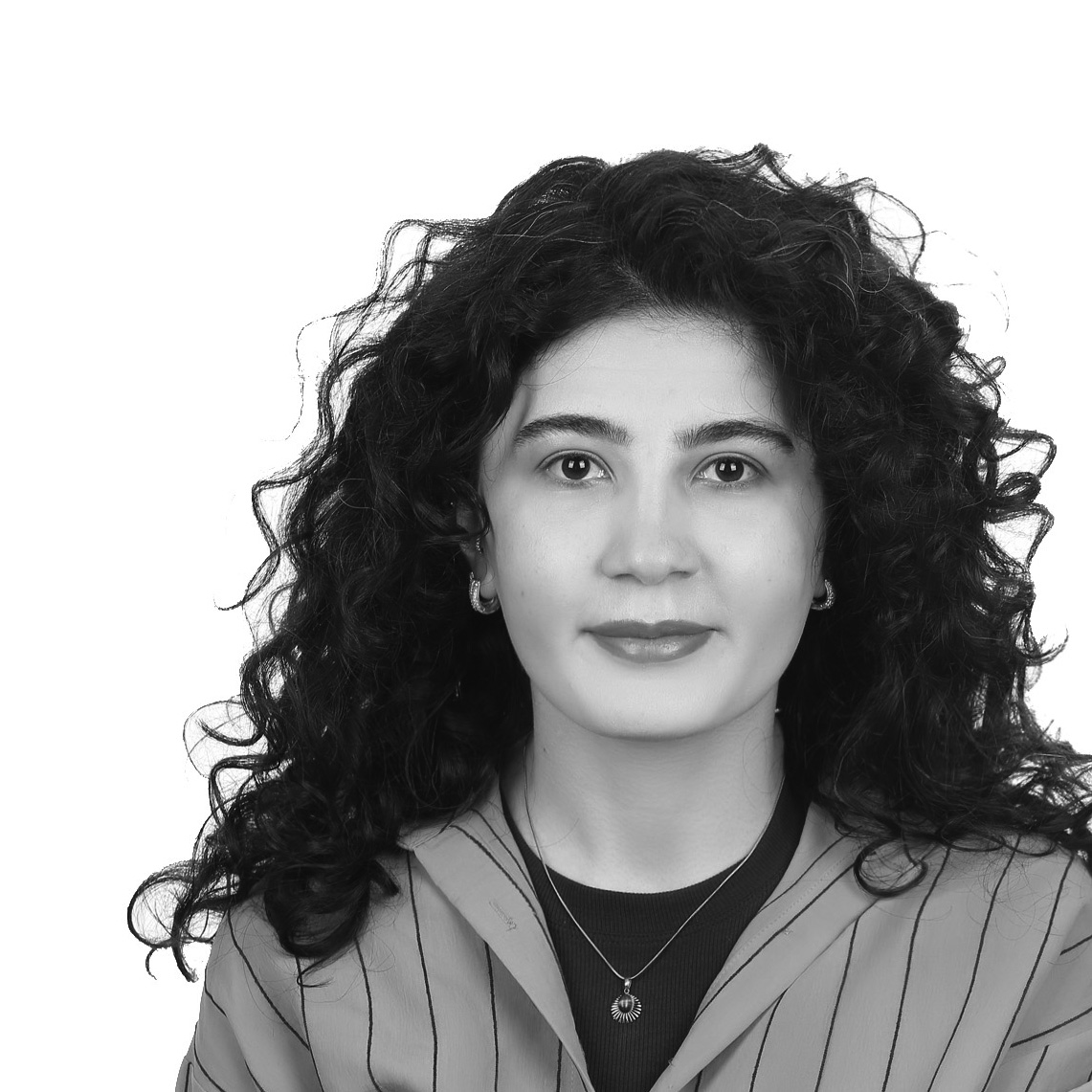
Gülşah Andiç
Born in Ankara in 2000, she graduated from Yıldız Technical University with a degree in Architecture in 2025. Throughout her academic journey, she approached architecture not only as a design practice but also as a field of critical thinking and exploration. In this context, she participated in numerous architectural competitions and received several awards, including the Archiprix Jury Special Prize.
Her design approach focuses on developing innovative ideas, engaging in interdisciplinary practices, and producing original solutions. She considers architecture as a dynamic balance between aesthetics, function, and context, aiming to create a distinctive and contemporary language in each project. She aspires to contribute to current architectural discourse through creative and impactful work.